

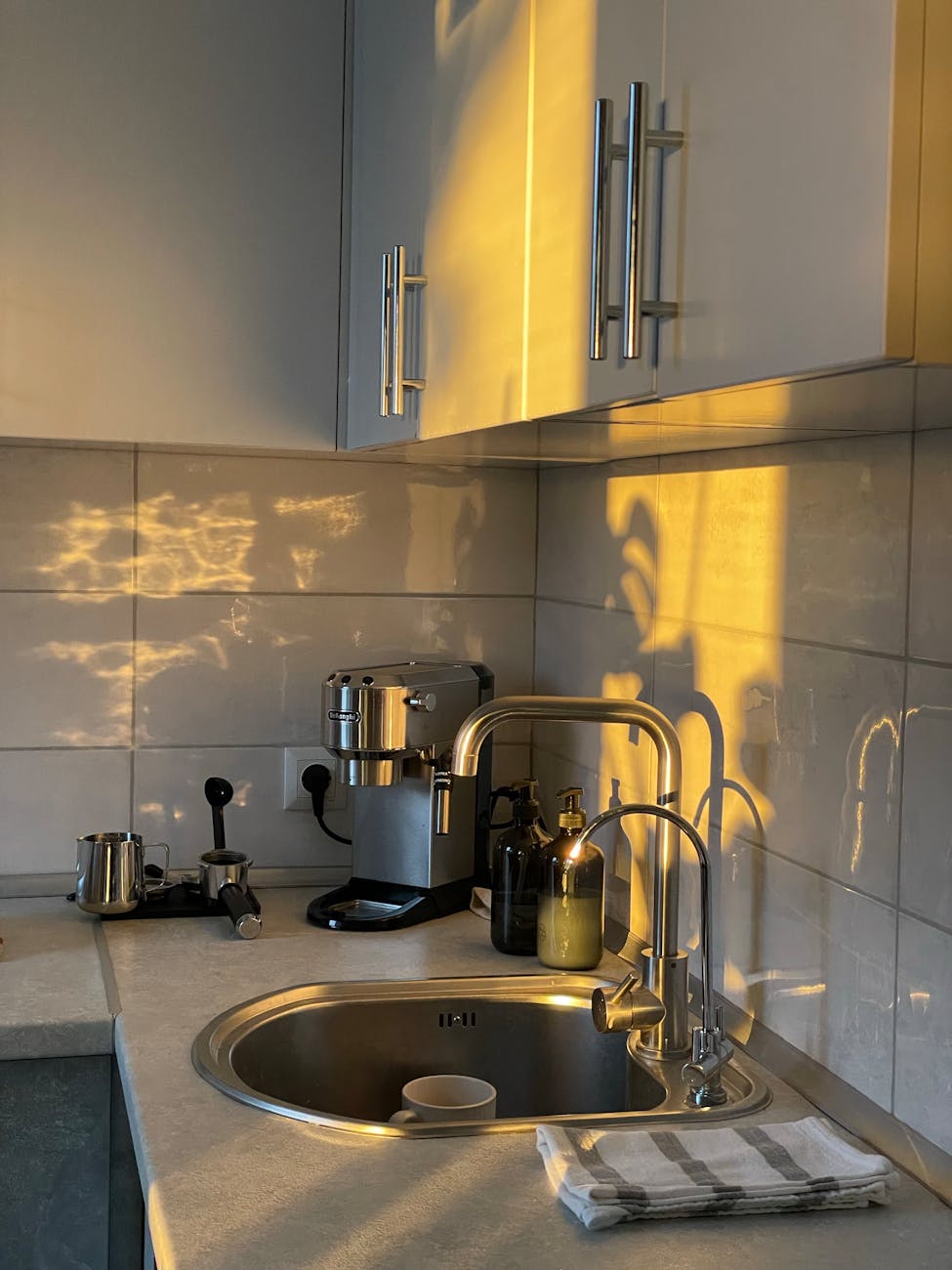
Navigating the complexities of end of tenancy cleaning is crucial for securing your full rental deposit. This comprehensive guide, tailored for 2026, will equip you with the knowledge to tackle every aspect of a move-out clean. We’ll cover essential tasks, professional services, and how to ensure your property meets landlord expectations, ultimately leading to a successful deposit return. Understanding the detailed requirements can save you significant stress and financial loss.
What is End of Tenancy Cleaning?
End of tenancy cleaning, often referred to as move-out cleaning, is a deep and thorough cleaning of a rental property. It’s performed by the departing tenant to return the property to its original condition, as stipulated in the tenancy agreement. The primary goal is to satisfy the landlord or letting agent, thereby facilitating the full refund of the security deposit.
This type of cleaning goes far beyond a standard spruce-up. It involves addressing areas that might be overlooked during regular maintenance, ensuring every nook and cranny is spotless. Failure to achieve the required standard can lead to deductions from your deposit, often covering the cost of professional cleaning or repairs for damage caused by neglect.
Key Takeaways for a Seamless Move-Out Clean:
- Focus on deep cleaning all appliances, fixtures, and surfaces.
- Address any wear and tear or minor damage from your tenancy.
- Consider professional cleaning services for guaranteed results and deposit protection.
When Should End of Tenancy Cleaning Take Place?
The ideal time for end of tenancy cleaning is immediately after you have vacated the property. This ensures no new mess is made and allows the cleaning to be completed thoroughly without the pressure of moving your belongings. It should ideally happen on your last day of tenancy or the day immediately following your departure.
Scheduling this cleaning well in advance is advisable, especially if you plan to use professional services. Reputable cleaning companies often book up quickly, particularly during peak moving seasons. Confirm the exact date and time with your landlord or agent to align with their inspection schedule.
What Areas Need the Most Attention?
Certain areas of a rental property are typically scrutinized more closely during a move-out inspection. These include the kitchen, bathrooms, and carpets, as they are prone to heavy use and the build-up of grime. A detailed checklist is often provided by landlords or letting agents, but some universal areas demand extra care.
Think about every surface: walls, ceilings, light fixtures, skirting boards, windowsills, and door frames. These all need to be wiped down. Dust accumulation can be significant in less accessible areas, and any marks or scuffs on walls should be gently cleaned or touched up if permitted.
Kitchen Deep Cleaning Essentials
The kitchen is a high-priority area. Beyond wiping down countertops and cabinets, appliances require significant attention. Ovens, hobs, and extractor fans should be degreased and polished. Inside and outside of all cupboards and drawers must be emptied and cleaned.
Don’t forget the fridge and freezer; they need to be defrosted, cleaned inside and out, and any seals checked for mold. Sinks and taps should be descaled and polished, and the dishwasher and washing machine interiors cleaned, including filter checks.
Bathroom Hygiene Standards
Bathrooms require a rigorous clean to remove limescale, soap scum, and any signs of mold or mildew. Grout lines between tiles often harbor dirt and require scrubbing. Shower screens, bathtubs, and sinks need to be thoroughly cleaned and disinfected.
Toilets should be deep cleaned, inside and out. Mirrors and chrome fixtures should be polished to a streak-free shine. Ventilation fans and any tiled walls should also be wiped down to remove dust and grime.
Living Areas and Bedrooms
In living areas and bedrooms, focus on dusting all surfaces, including furniture, shelves, and light fittings. Skirting boards, window frames, and radiators need to be wiped clean. Any built-in wardrobes or storage units should be emptied and cleaned internally.
Windows should be cleaned inside and out, including the frames and sills. Spiderwebs and dust in corners and around light fixtures are often noted. If there are any specific fittings or features, ensure they are also addressed.
Flooring and Carpets
Flooring requires a thorough clean, whether it’s hard surfaces or carpets. Hard floors should be swept, mopped, and dried. For carpets, vacuuming is essential, but often professional carpet cleaning is required to remove stains and refresh the pile. This is particularly important for high-traffic areas or if pets were present.
Check your tenancy agreement for specific clauses regarding carpet cleaning. Many agreements stipulate professional cleaning at the end of the tenancy to ensure a consistent standard. This can be a significant factor in deposit disputes.
Should You Hire Professional Cleaners?
Deciding whether to undertake the cleaning yourself or hire professionals is a common dilemma. While DIY cleaning can save money, it’s time-consuming and requires a keen eye for detail to meet stringent landlord standards. Professional end of tenancy cleaners are experienced and equipped to handle the task efficiently and effectively.
Professional services often come with a guarantee, meaning they will return to re-clean specific areas if your landlord is not satisfied. This can provide peace of mind and significantly reduce the risk of deposit deductions. They also have access to specialized equipment and cleaning solutions for tougher jobs, such as oven cleaning or deep carpet shampooing.
Benefits of Professional End of Tenancy Cleaning Services
Professional cleaners understand what landlords and letting agents look for. They follow a comprehensive checklist that covers all aspects of the property. This expertise ensures that all areas are cleaned to the required standard, increasing the likelihood of a full deposit return.
Moreover, professional services save you valuable time and physical effort, especially when you’re already busy with the logistics of moving. They can often complete the job in a few hours, allowing you to focus on settling into your new home. This efficiency is invaluable during a stressful moving period.
What to Look for in a Cleaning Company
When selecting a professional cleaning service, look for companies that specialize in end of tenancy cleans. Check for reviews and testimonials from previous clients. Ensure they are insured, and ask if they offer a guarantee or re-clean policy.
It’s also wise to get a detailed quote upfront that outlines exactly what services are included. This prevents unexpected charges. A reputable company will be transparent about their pricing and service scope.
Preparing for the Final Inspection
Once the cleaning is complete, a final walkthrough is essential. This is your opportunity to identify any missed spots or areas that may not meet the required standard. Take photos or videos of the clean property as evidence of your efforts.
It’s often beneficial to have a cleaning checklist handy during your inspection. Compare your work against the landlord’s expectations or the original inventory report. Addressing any minor issues yourself before the official inspection can save time and potential disputes.
Common Deposit Deduction Scenarios
Deposit deductions commonly arise from issues like uncleaned appliances, stained carpets, mold in bathrooms, or general dirtiness. Overlooked tasks such as cleaning light fittings, inside cupboards, or behind furniture can also lead to charges.
Landlords can deduct costs for cleaning, repairs, or replacing items if the property is not returned in the same condition as at the start of the tenancy, allowing for fair wear and tear. Understanding your rights and responsibilities under rental law, such as the Tenancy Deposit Protection scheme in the UK, is important for resolving disputes.
DIY vs. Professional Cleaning: A Cost-Benefit Analysis
The cost of professional cleaning can range from £100 to £500 or more, depending on the size of the property and the level of cleaning required. While this is an upfront expense, it often outweighs the potential cost of deposit deductions. If your deposit is £1000, losing £200 due to inadequate cleaning is a net loss of £200.
DIY cleaning, on the other hand, incurs costs for cleaning supplies and potentially equipment rental. The primary cost is your time and effort. If you have the time, a meticulous approach, and are confident in your cleaning skills, DIY can be a viable option. However, for many, the peace of mind and guaranteed results from professionals make it the more prudent choice.
Expert Insight on Move-Out Cleaning
Industry experts consistently advise that a proactive approach to cleaning is key. This means addressing minor issues as they arise during the tenancy, rather than leaving everything for the end. Regular maintenance significantly reduces the burden of end-of-tenancy cleaning and helps maintain the property’s condition.
For instance, a yearly deep clean of the oven or professional carpet cleaning every 1-2 years can prevent significant build-up. This foresight not only helps with the move-out but also contributes to a healthier living environment throughout your tenancy.
Ultimately, a successful end of tenancy clean is about thoroughness and attention to detail. Whether you choose to clean it yourself or hire professionals, ensuring every aspect of the property is immaculate is the surest path to reclaiming your full deposit and ending your tenancy on a positive note.